
Quote of the day and the story behind it
Today’s quote,
Famous line, wrong name
Insanity is doing the same thing over and over again and expecting different results.
Where it really comes from. The earliest known examples are from 1981, in an Al-Anon meeting and a Narcotics Anonymous pamphlet, where it was a saying about addiction.
Read the full story: “Insanity Is Doing the Same Thing Over and Over”: Einstein Did Not Say ItFree to download · In-app purchases
Most quote of the day pages give you a line and a name. Here you also get what the name leaves out: who was speaking, what was happening and, when the famous name is wrong, where the line really came from.
More quotes and their stories
Every line in the rotation. Each one links to its full article, with the wording and the sources we checked.
This above all: to thine own self be true…
William Shakespeare, Hamlet, Act 1, scene 3. Spoken by Polonius to his son Laertes.
The line is quoted as advice to be authentic. In Hamlet it closes a father’s list of maxims, and the father then sends a spy after his son.
“To Thine Own Self Be True”: What Polonius Actually Meant
Famous line, wrong name
Be the change you wish to see in the world
Often credited to Gandhi. No one has found it in his writings.
He wrote a longer passage with a similar idea in 1913, and the earliest close match to the slogan is from a New York teacher, Arleen Lorrance, in 1974.
“Be the Change You Wish to See in the World”: What Gandhi Actually Wrote
I took the one less traveled by, And that has made all the difference.
Robert Frost, “The Road Not Taken” (1915). Often paraphrased as “the road less traveled.”
The line is quoted as praise for bold, unusual choices. In the poem the two roads are worn about the same, and the speaker is predicting the story he will tell later.
“The Road Less Traveled”: What Frost’s Poem Actually Says
Famous line, wrong name
Let them eat cake
Often credited to Marie Antoinette. There is no evidence she said it.
Rousseau told the same story about an unnamed “great princess” in his Confessions, written when she was a child, and versions of it had been pinned on other royal women before her.
“Let Them Eat Cake”: The Story Is Older Than Marie Antoinette
I think, therefore I am
René Descartes, Discourse on the Method (1637), Part IV, translated by John Veitch. Written in French as je pense, donc je suis.
The line is often taken as praise of the intellect. In the Discourse it is the one thing Descartes found he could not doubt, after doubting everything else.
“I Think, Therefore I Am”: What Descartes Was Trying to Prove
O Romeo, Romeo, wherefore art thou Romeo?
William Shakespeare, Romeo and Juliet, Act 2, scene 2. Juliet, speaking to herself.
“Wherefore” means “why,” not “where.” Juliet is alone, asking why the man she loves has to be a Montague. The next lines make it plain.
“Wherefore Art Thou Romeo?”: Juliet Is Not Asking Where He IsToday
Famous line, wrong name
Insanity is doing the same thing over and over again and expecting different results.
Often credited to Albert Einstein. There is no evidence he said it.
The earliest known examples are from 1981, in an Al-Anon meeting and a Narcotics Anonymous pamphlet, where it was a saying about addiction.
“Insanity Is Doing the Same Thing Over and Over”: Einstein Did Not Say It
carpe diem, quam minimum credula postero.
Pluck the day, trusting as little as possible in the next one.
Horace, Odes 1.11, around 23 BCE. Our translation. Usually rendered “seize the day.”
“Seize the day” sounds like a call to grab everything now. Horace’s verb means to pluck, as you would ripe fruit, and the poem is advice to stop trying to know the future.
“Carpe Diem”: What Horace Actually Meant by “Seize the Day”
Well-behaved women seldom make history
Laurel Thatcher Ulrich, American Quarterly, 1976. Often wrongly credited to Marilyn Monroe, Eleanor Roosevelt and others.
The line was written in 1976 by the historian Laurel Thatcher Ulrich, in a scholarly article about pious colonial women. She was pointing out that historians had ignored such women, which is close to the opposite of the bumper-sticker reading that women should misbehave.
“Well-Behaved Women Seldom Make History”: The Author Meant It as a Complaint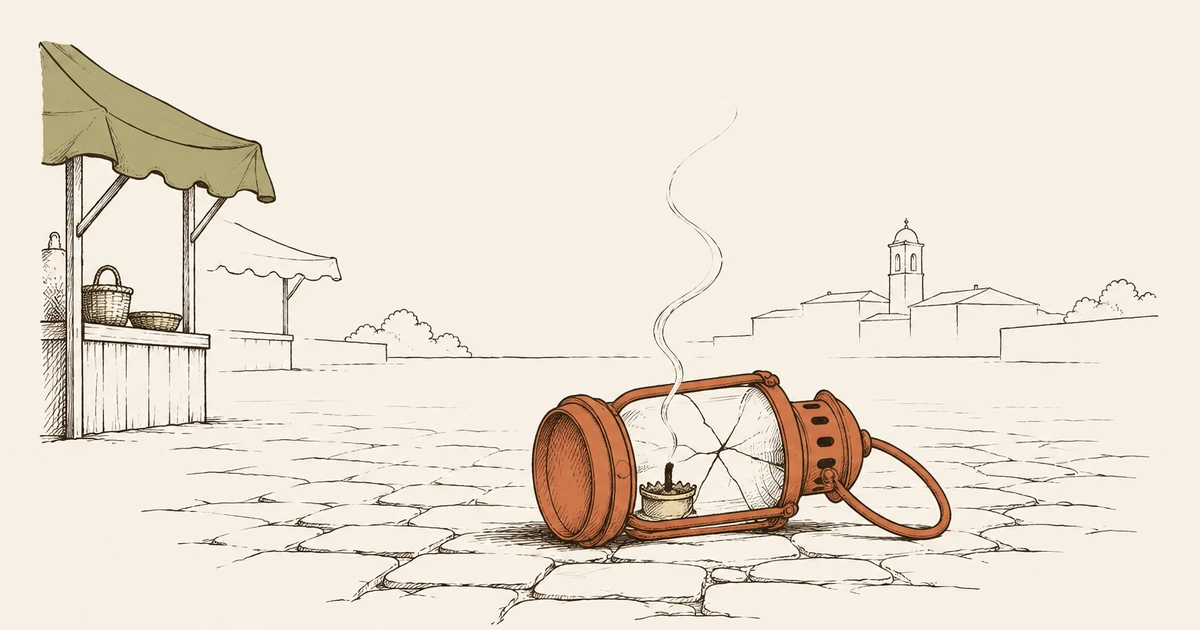
God is dead! God remains dead! And we have killed him!
Friedrich Nietzsche, The Joyful Wisdom, section 125, translated by Thomas Common. Spoken by a madman in a market-place.
The line is quoted as a triumphant slogan. In Nietzsche’s book a madman cries it to a laughing crowd of unbelievers, and what he feels is dread.
“God Is Dead”: Who Says It in Nietzsche, and to Whom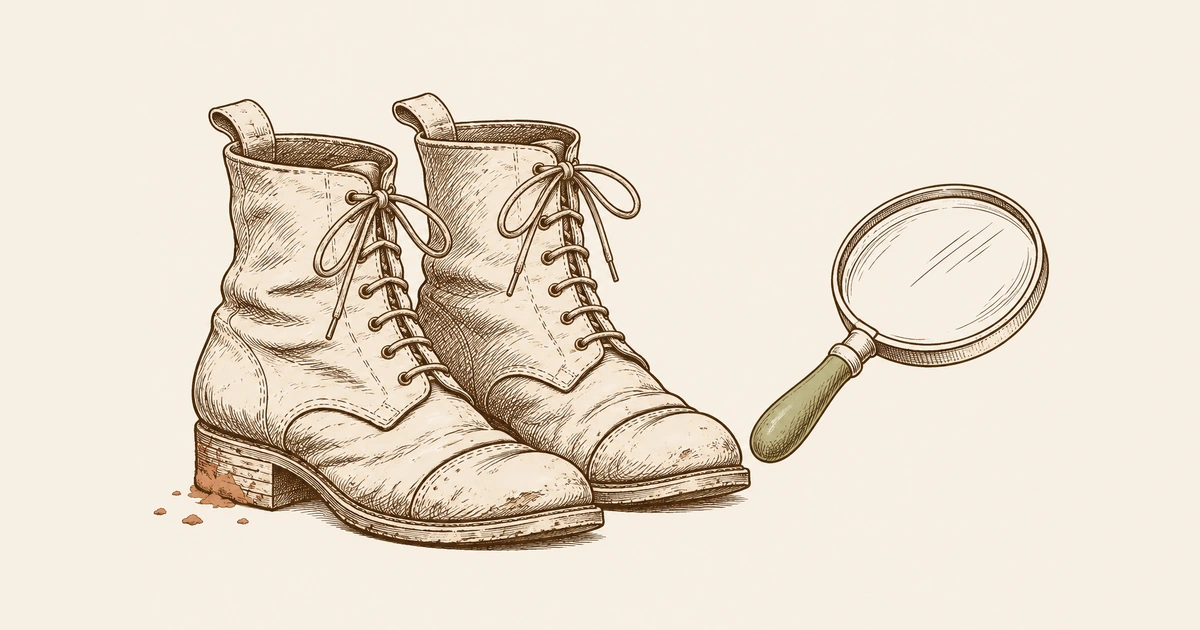
Famous line, wrong name
Elementary, my dear Watson
Often credited to Sherlock Holmes. He never says it in any of Conan Doyle’s stories.
He says “Elementary” and “my dear Watson” a few lines apart in one 1893 story, and readers, parodists and a 1929 film joined them into the line everyone knows.
“Elementary, My Dear Watson”: Holmes Never Says It in the Stories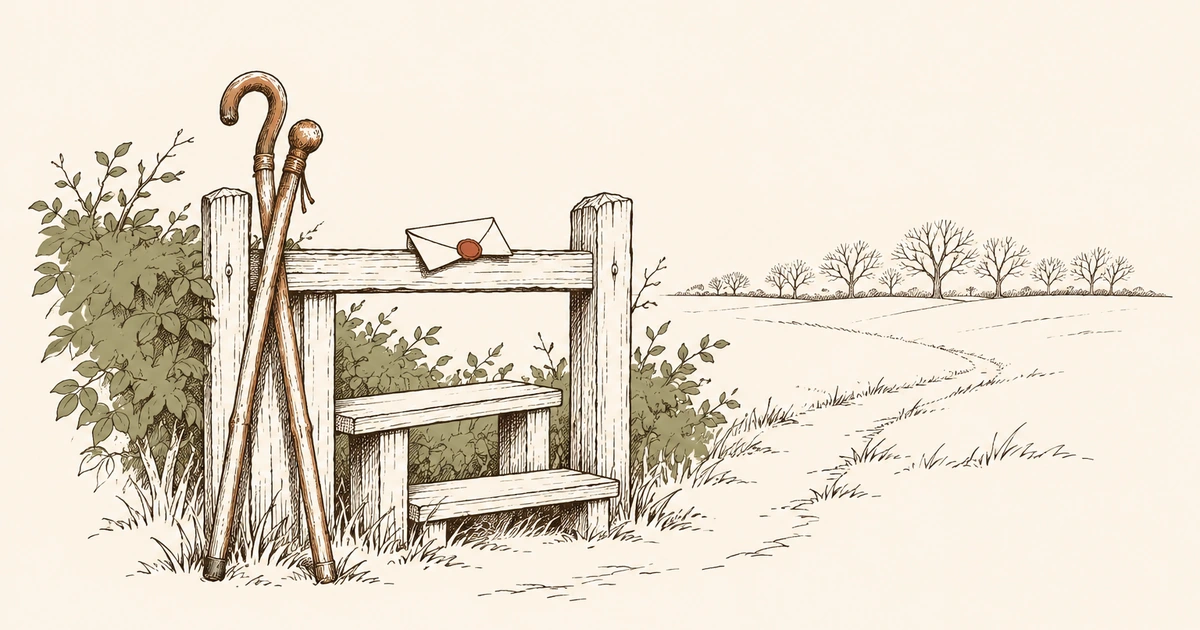
’Tis better to have loved and lost Than never to have loved at all.
Alfred Tennyson, In Memoriam, section XXVII (1850). Sometimes credited to Shakespeare by mistake.
The lines are offered as comfort after a breakup. Tennyson wrote them in a long elegy for his closest friend, who died suddenly in 1833.
“’Tis Better to Have Loved and Lost”: Tennyson Wrote It for a Friend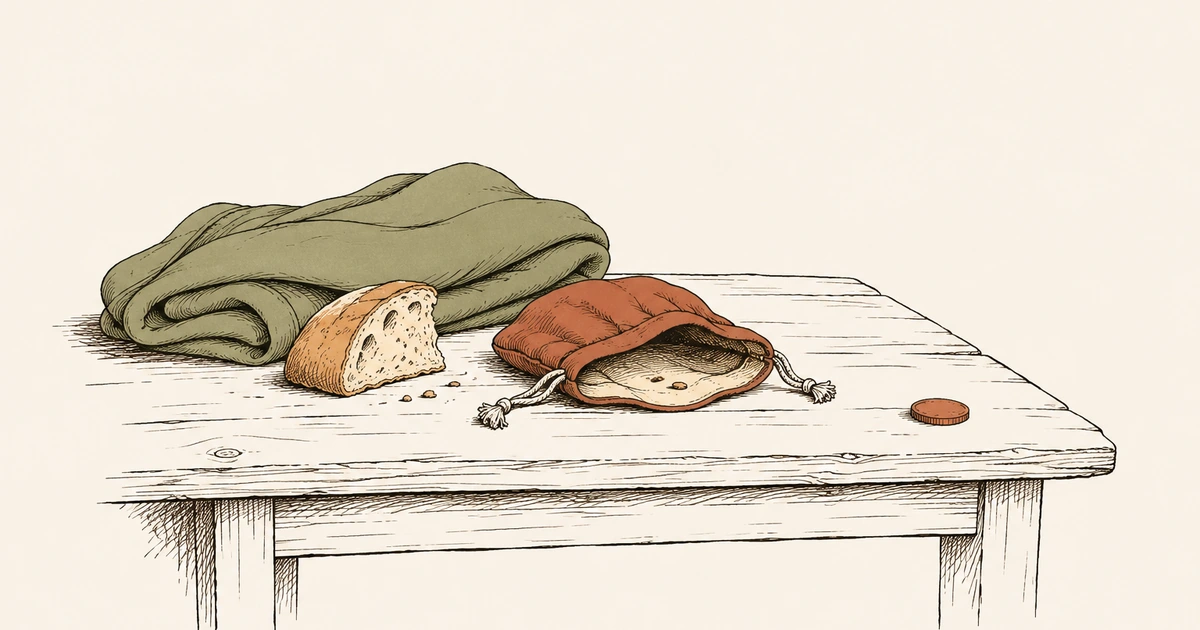
For the love of money is the root of all evil…
1 Timothy 6:10, King James Version (1611). Usually misquoted as “Money is the root of all evil.”
The saying drops three words. The verse in 1 Timothy blames the love of money, and it comes at the end of a passage about being content with enough.
“Money Is the Root of All Evil”: The Verse Says “the Love of Money”
Now is the winter of our discontent Made glorious summer by this son of York…
William Shakespeare, Richard III, Act 1, scene 1. Spoken by Richard, Duke of Gloucester, alone on stage.
Quoted alone, the line announces hard times. Read to the end of the sentence, it says the hard times are over, and the man saying it is unhappy about that.
“Now Is the Winter of Our Discontent”: The Sentence Does Not Stop There
Famous line, wrong name
The ends justify the means
Often credited to Niccolò Machiavelli. He did not write it.
The closest passage in The Prince says that people judge a ruler by results and appearances, which is a remark about how the public thinks more than a licence to do anything.
“The Ends Justify the Means”: The Sentence Is Not in The Prince
…the unexamined life is not worth living…
Plato, Apology, 38a, translated by Benjamin Jowett. Socrates at his trial, as Plato reports it.
It sounds like advice to reflect more. Socrates says it at his trial, after the guilty verdict, to explain why he will not save himself by keeping quiet.
“The Unexamined Life Is Not Worth Living”: What Socrates Was Refusing
He only says, ‘Good fences make good neighbors.’
Robert Frost, “Mending Wall,” North of Boston (1914). The neighbor’s saying, which the poem’s speaker doubts.
The line is quoted as Robert Frost’s advice. In “Mending Wall” it is the neighbor’s saying, repeated twice, and the speaker spends the poem doubting it.
“Good Fences Make Good Neighbors”: Who Says It in Frost’s Poem
Power tends to corrupt and absolute power corrupts absolutely.
Lord Acton, letter to Mandell Creighton, April 5, 1887. Usually tidied into “Power corrupts; absolute power corrupts absolutely.”
The saying is quoted as a law of politics. Lord Acton wrote “power tends to corrupt” in a letter arguing that popes and kings should be judged like anyone else.
“Power Corrupts”: Acton Wrote “Tends to,” and He Was Talking About Historians
L’enfer, c’est les autres.
Hell is other people.
Jean-Paul Sartre, Huis clos (No Exit), 1944. Spoken by the character Garcin.
The line is used to mean that people are unbearable. Sartre said it had always been misunderstood: it is about what happens when we depend entirely on how others judge us.
“Hell Is Other People”: What Sartre Said He Meant
No more; where ignorance is bliss, ’Tis folly to be wise.
Thomas Gray, “Ode on a Distant Prospect of Eton College” (1747). Usually shortened to “Ignorance is bliss.”
Thomas Gray did not say ignorance is bliss. He wrote “where ignorance is bliss,” about schoolboys who do not yet know what adult life holds.
“Ignorance Is Bliss”: The Line Begins With “Where”
Famous line, wrong name
Be yourself; everyone else is already taken.
Often credited to Oscar Wilde. There is no substantive evidence he wrote it.
The earliest strong match found by Quote Investigator is an anonymous line in a December 1999 online post, nearly a century after Wilde’s death.
“Be Yourself; Everyone Else Is Already Taken”: Oscar Wilde Did Not Write It
I know not what course others may take; but as for me… give me liberty, or give me death!
Patrick Henry’s speech as printed by William Wirt, Sketches of the Life and Character of Patrick Henry (1817). Henry spoke on March 23, 1775. No text was written down at the time.
The line reaches us through William Wirt, who printed his version of the speech more than forty years later, largely from other people’s memories.
“Give Me Liberty, or Give Me Death”: The Speech Was Printed 41 Years Later
Et tu, Brutè?—Then fall, Caesar.
William Shakespeare, Julius Caesar, Act 3, scene 1. Caesar’s last words in the play. “Et tu, Brutè?” is Latin for “And you, Brutus?”
The line is quoted as Caesar’s real last words. It belongs to Shakespeare’s play: Roman writers report that he died silent or, as some claimed, spoke a few words in Greek.
“Et Tu, Brute?”: Caesar’s Famous Last Words Are Shakespeare’s
They may forget what you said — but they will never forget how you made them feel.
Credited to Carl W. Buehner in Richard Evans’ Quote Book (1971). Usually credited to Maya Angelou.
Quote Investigator finds the credit to Maya Angelou unsupported. The earliest known version appeared in 1971 under the name of Carl W. Buehner, a Latter-day Saint church official.
“People Will Forget What You Said”: The Line Credited to Maya Angelou Is Older
…we are what we repeatedly do. Excellence, then, is not an act but a habit…
Will Durant, The Story of Philosophy (1926), page 87. Durant’s summary of Aristotle, often credited to Aristotle himself.
Will Durant wrote it in 1926 to sum up Aristotle. The idea comes from the Nicomachean Ethics, but the sentence is Durant’s.
“We Are What We Repeatedly Do”: Will Durant’s Line, Not Aristotle’s
…100 percent of the shots you don’t take don’t go in the net.
Wayne Gretzky, quoted in The Philadelphia Inquirer, February 9, 1983. Usually quoted as “You miss 100% of the shots you don’t take.”
He said it the day after his four-goal All-Star Game, and athletes had been saying versions of it for decades.
“You Miss 100% of the Shots You Don’t Take”: What Wayne Gretzky Actually Said
Questions
When does the quote of the day change?
At midnight Pacific Time. Everyone sees the same line for the whole day.
Where do these quotes come from?
From the Luminora Journal’s articles on the story behind famous lines. Each one gives the wording, who said it and the sources we checked. When a line is credited to someone who did not say it, we say so.
Is this the same quote I will see in the app?
Not necessarily. This page draws on the Journal. In the app, LEARN has its own daily collections.