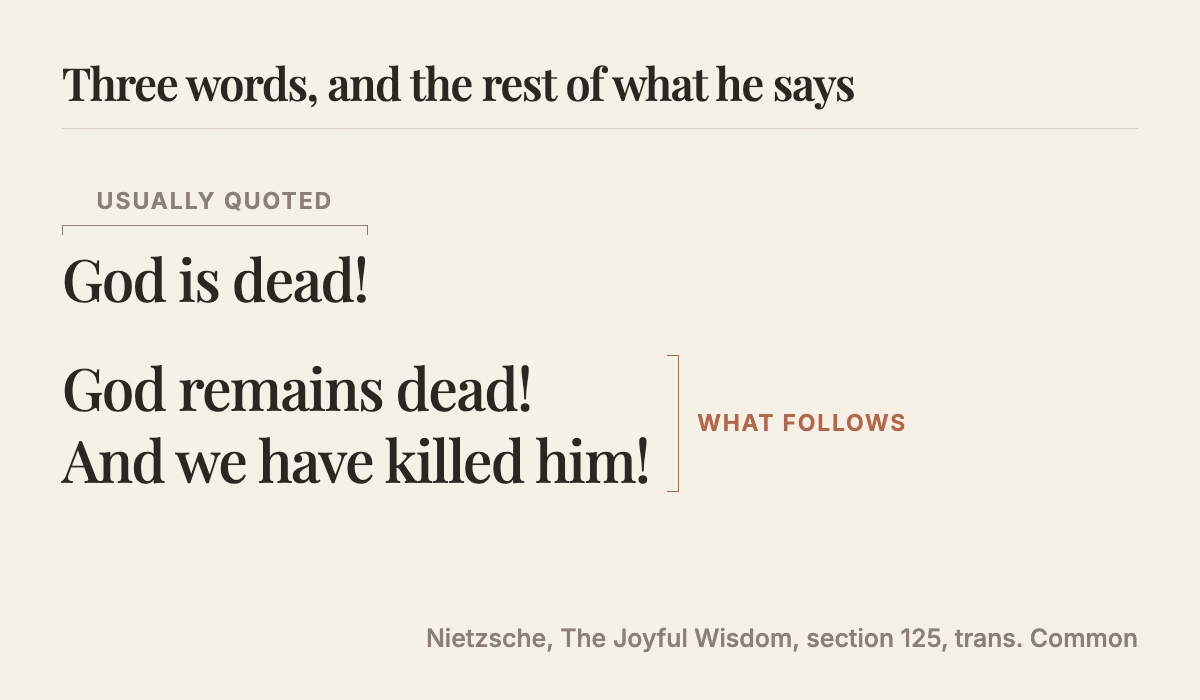
“God is dead” is usually quoted as a boast, the atheist’s victory line. In Nietzsche’s book it is shouted by a madman in a market-place, to people who already do not believe, and he is horrified. His point is that they have not understood what they have done. [1]
The line, exactly
God is dead! God remains dead! And we have killed him! How shall we console ourselves, the most murderous of all murderers?
Friedrich Nietzsche, The Joyful Wisdom (also translated as The Gay Science), section 125, “The Madman,” in Thomas Common’s translation. The book was written in 1882. [1]
The scene
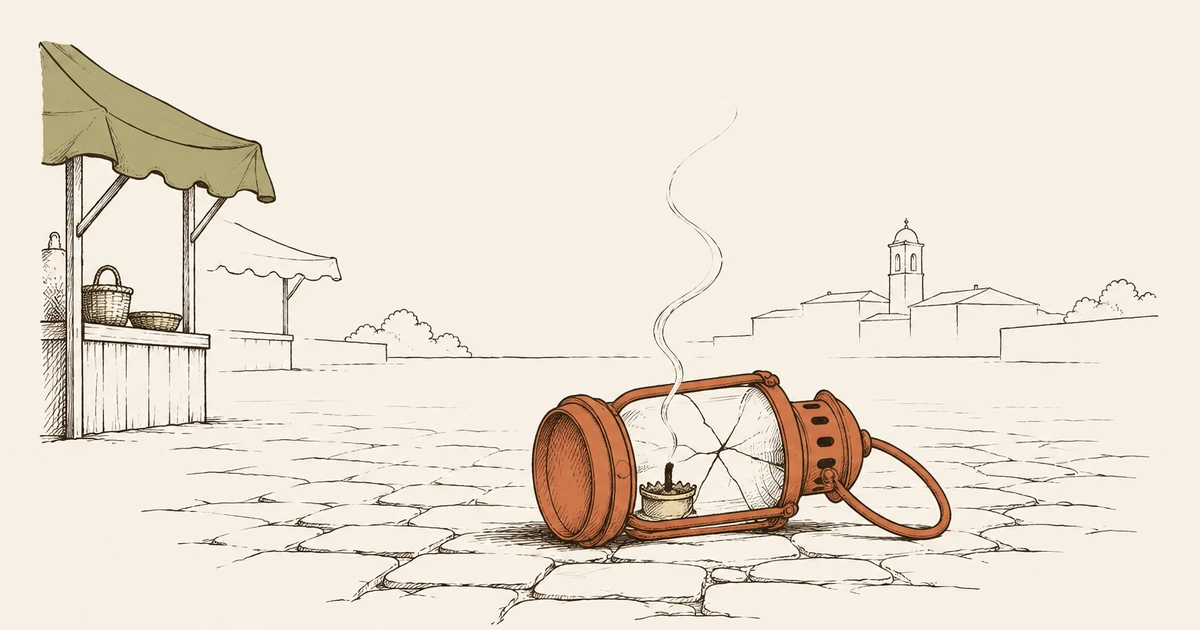
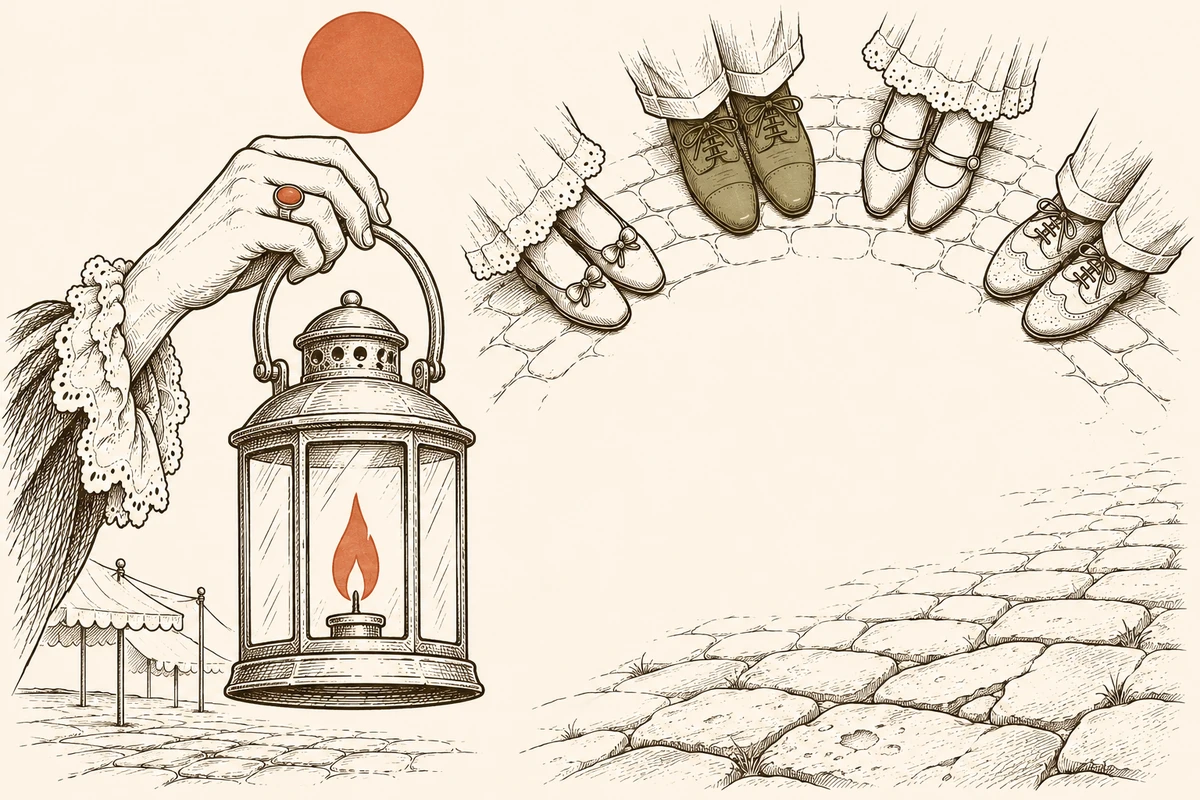
A madman lights a lantern on a bright morning and runs to the market-place calling, “I seek God! I seek God!” Many of the people standing there do not believe in God, and they find him funny. Is God lost, they ask. Has he gone on a sea-voyage? Has he emigrated? [1]
The madman jumps into the middle of them. “Where is God gone?” he calls out. “I mean to tell you! We have killed him,—you and I! We are all his murderers!” He asks how they managed it, and what happens now: “What did we do when we loosened this earth from its sun? Whither does it now move?” [1]
His listeners fall silent and stare. He throws his lantern on the ground and it goes out. “I come too early,” he says. “This prodigious event is still on its way.” The deed is further from them “than the furthest star,—and yet they have done it!” [1]
What it means there
The madman is not announcing a discovery about heaven. He is describing something that has happened in his own society: belief in God has stopped holding things together, and the people around him have noticed only the part that is convenient. They think they have removed one idea and kept everything else. He thinks the ground has gone.
It matters that the speech is given to a character, and that the character is called mad. Nietzsche does use the phrase in his own voice elsewhere in the same book, where he adds that people will go on showing God’s shadow in caves for thousands of years. In both places the tone is of a long task beginning, and nobody is celebrating. [1]
How it is usually used
On posters and in arguments the three words stand alone, as a taunt at believers or as a summary of what Nietzsche supposedly wanted. Used that way, the line belongs to the crowd in the market-place: the people who are amused. The madman is the one who is not amused.
Should you still quote it?
Our view: yes, with the sentence that follows it. “And we have killed him” turns a slogan into a question about responsibility, which is what the passage is asking. Whether or not you share Nietzsche’s view of religion, that question is the interesting part.